Skip to content
Simplified map of Michigan with Detroit marked, labeled with the open U.S. Senate race between Republican Mike Rogers and Democrat Abdul El-Sayed and Rep. Haley Stevens's November 1 endorsement
|7 min read

Why Did Haley Stevens Endorse Mike Rogers? The Michigan Senate Rift Explained

Rep. Haley Stevens backed Republican Mike Rogers two days before the election. What she said, what she left unanswered, and what it means for Michigan.

What Happened

Two days before Election Day, Rep. Haley Stevens of Michigan crossed party lines in one of the country's closest Senate races. On Sunday, November 1, Stevens, a Democrat who lost her party's August primary by less than a point, withdrew her support for nominee Abdul El-Sayed and endorsed Republican Mike Rogers. Her explanation has arrived in pieces. She says El-Sayed told her she was no longer welcome in his campaign, she objects to his alliance with the streamer Hasan Piker, and she calls an outside group's ad about Israel antisemitic. In a later post on X she went further, saying she had concluded that El-Sayed "is not fit to serve in the United States Senate." El-Sayed's campaign says it had no part in the ad, and Democratic leaders have condemned her decision. No Michigan votes had been reported as of Tuesday morning. What follows is the documented sequence, the question Stevens has not directly answered, and why one endorsement in one state matters to the fight for Senate control.

How the Weekend Unfolded

Democrats had planned to close the race with a show of unity. Stevens was originally set to attend a church event with El-Sayed and Rep. Jim Clyburn. Rep. Debbie Dingell, who helped organize it, told The Associated Press, in a report carried by Bridge Michigan, that she pulled those plans: "I'm the one who pulled it because it had become way too distracting." The sequence after that, as reported by CBS News, NPR, CNBC, Bridge Michigan and NBC News: Saturday night: Dingell and Rep. Jamie Raskin said Stevens assured them she would vote for El-Sayed. Sunday, about 11 a.m.: Stevens arrived at Perfecting Church in Detroit and sat beside Rogers. Sunday, soon after: She announced the endorsement in a video on social media and at a Detroit press conference with Rogers. Sunday: Justin German, her chief of staff of eight years, resigned and said many colleagues had too. Sunday: Michigan Democratic Party chair Curtis Hertel said she "is not a current member of the Michigan Democratic Party, nor will she be in the future." By that night her photo had come off the party's list of elected officials. Monday: El-Sayed's campaign reported raising more than $2.4 million the day before, its largest single-day haul, from more than 65,000 donors. House Democrats were weighing whether to banish Stevens. Later that day, El-Sayed spoke outside another church with Clyburn and Sen. Angela Alsobrooks of Maryland.

Her Stated Reasons

Stevens has offered four distinct justifications across her video, press conference and posts: - Being shut out. "Abdul made very clear that I was not welcome in his campaign," she said, according to Bridge Michigan. She also said he told her to "stay away." - Hasan Piker. She objected to El-Sayed campaigning with the online commentator: "when you see us standing with Hasan Piker, and repeated hate, it's not acceptable." - The Rebellion PAC ad. The ad showed a couple debating whether they could afford groceries because of U.S. military aid to Israel. Stevens called it antisemitic and asked El-Sayed to condemn it. El-Sayed said his campaign did not produce it and that he does not agree with it. - Fitness for office. On X she wrote, "Once I concluded that Abdul El-Sayed is not fit to serve in the United States Senate, I had to confront who should." She said she chose Rogers hoping he could serve "in the tradition of John McCain." Behind these sits a policy dispute that ran through the primary. CNBC describes Stevens as a staunch supporter of Israel, while El-Sayed has called Israel's conduct in Gaza a genocide. Rogers framed her decision as "more a statement about standing together against hate" than anything else.

What She Has Not Explained

The unresolved question is what changed between Saturday night and Sunday morning. Asked repeatedly on CNN by Anderson Cooper, Stevens did not directly answer, according to CBS News. "I woke up this morning clear-eyed, fresh and, you know, focused on what was in my heart," she said. Dingell called it "one of the most painful interviews I have ever watched." Her fiancé, Jason Turkish, had said before her announcement that he would vote for Rogers, citing what he described as rising antisemitism. Reports questioned whether he influenced her. Stevens rejects that, writing that her decision "was not made for me by anyone else" and that it "was a decision of conscience." Her earlier words add to the puzzle. During the race she called Rogers "wrong for Michigan" and "another rubber stamp" for Trump, NBC News noted. She says she will still vote for other Democrats, and she has not announced a party switch. On Monday night she wrote that she respects Democrats who disagree and wants to help build a "stronger, more welcoming, more courageous Democratic Party."

The Fallout Among Democrats

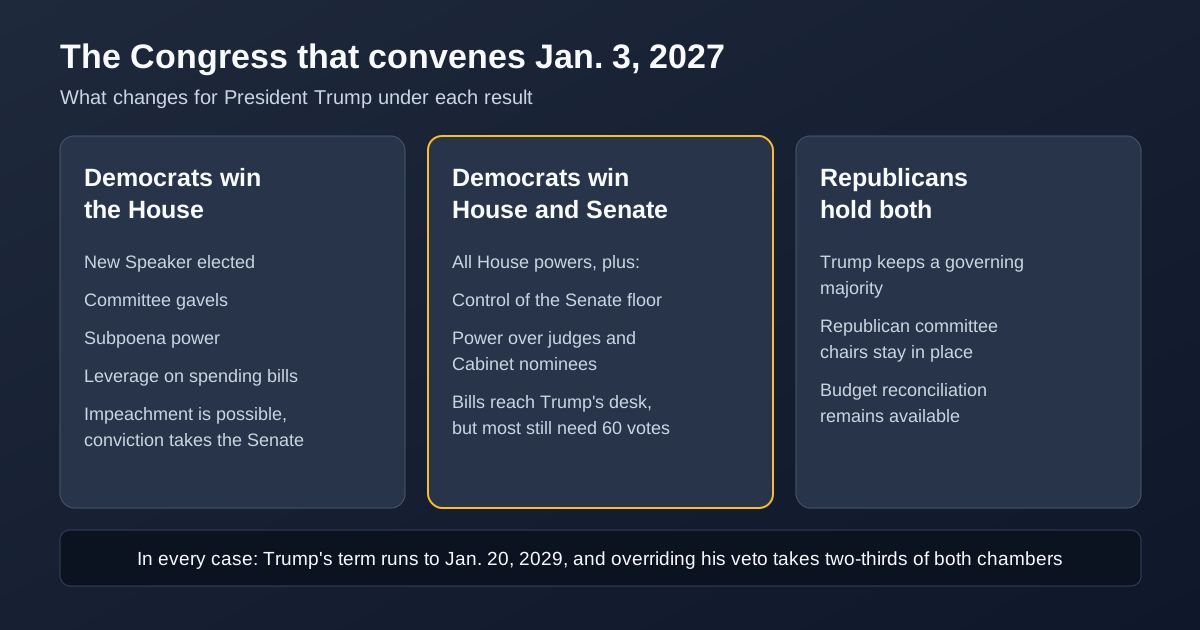
The reaction from her own party has been unusually blunt. Senate Democratic leader Chuck Schumer, who backed Stevens in the primary, called the endorsement "a despicable betrayal." House Democratic leader Hakeem Jeffries called Rogers "a partisan hack," and NBC News reported that he accused her of abandoning the party as House Democrats discussed whether to punish her. Sens. Gary Peters and Elissa Slotkin of Michigan both disavowed her, according to CNBC. German, her former chief of staff, said the team was "shocked and heartbroken" and is backing El-Sayed. Any House discipline would be short-lived in practice. Stevens gave up her 11th District seat to run for Senate, so her term ends when the new Congress convenes in January. Our guide to what happens if Democrats win the midterms covers what that new Congress could do. El-Sayed has tried to move past it. "At the end of the day I actually don't think about Haley Stevens," he said, and he accused her of "relitigating a primary that ended three months ago."

Where Trump Fits In

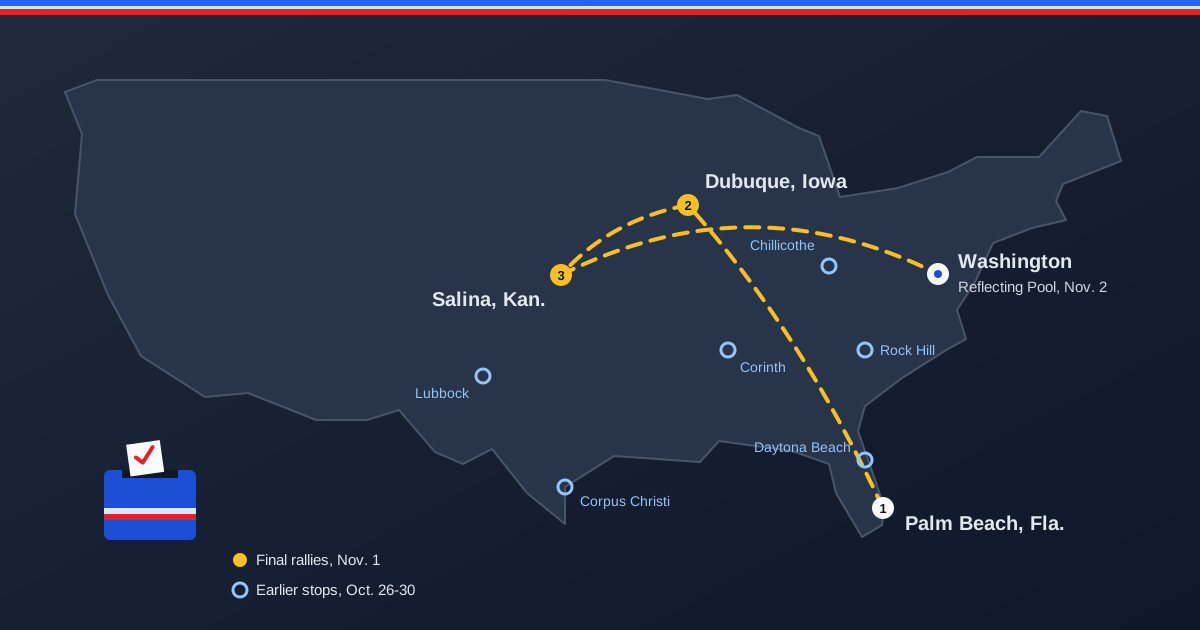
President Trump moved quickly to embrace her. On Truth Social he called Stevens "a Highly Respected Democrat" and wrote, "Haley said what few people are willing to say." At his rally in Dubuque, Iowa, that day, he said she "was very brave" and added, "I'd love her to join the Republican Party actually." He told reporters in Iowa that backing Rogers was the smart thing to do because El-Sayed "would destroy our country." Three months earlier his tone was different. After the August 4 primary, Trump described Stevens on Truth Social as "The Radical Left Socialist." Stevens has said, "I am not a socialist, and I do not support socialism." Early Tuesday he posted a new attack, claiming that El-Sayed "Hates Jews and Hates Blacks" and "also Hates Whites," CBS News reported. Trump had already campaigned here. He rallied for Rogers in Port Huron on Sunday, October 25, but he did not return for his final week of rallies, which stayed in states where Republicans were defending Senate seats. His part in the Stevens episode has come through posts and remarks. Our Michigan state profile shows how the tracker records his visits to the state, and the 2026 endorsement tracker covers his wider slate of candidates.

Does It Change the Race?

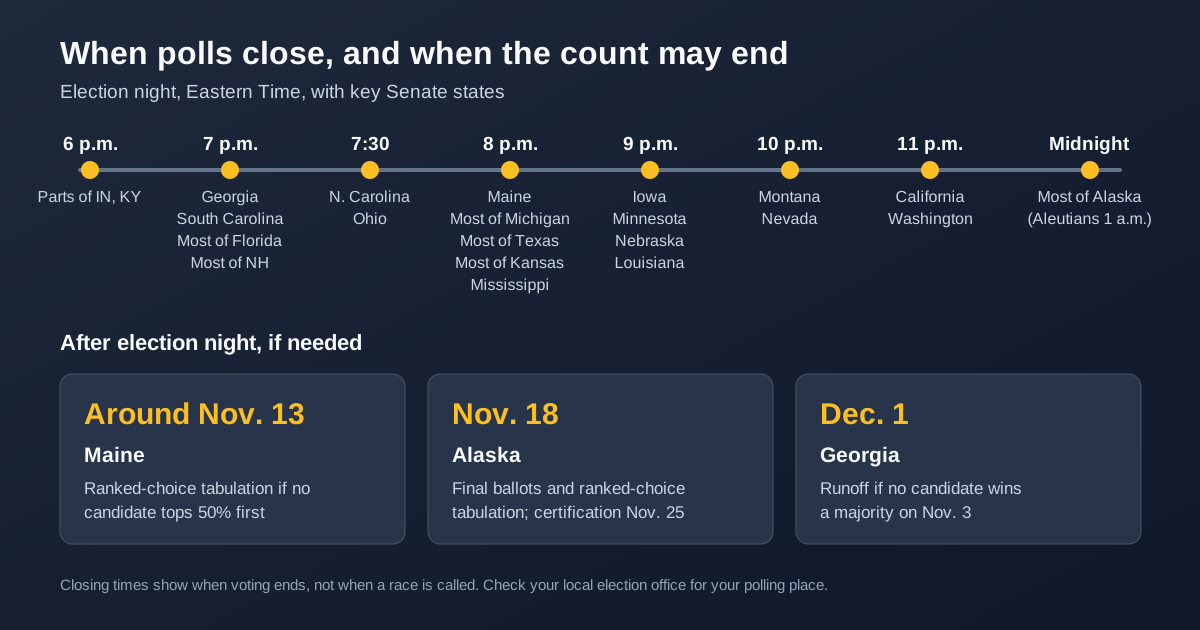
Nobody can measure that yet. Here is what is known: - The seat. Sen. Gary Peters (D) is retiring, leaving an open seat. The Cook Political Report rated it a toss-up, as compiled by NPR on October 30. - The polling. The Silver Bulletin average, as reported by The Conversation on November 2, had El-Sayed ahead by 4.7 points. Most of that polling predates the endorsement, and we found no high-quality Michigan poll taken since. - The primary. El-Sayed beat Stevens 48.45% to 47.55%, according to Decision Desk HQ's count with more than 95% reported, with Mallory McMorrow at 4.00%. Stevens carried Wayne and Oakland counties, which is why her voters are worth fighting over. - The timing. Michigan's early voting began October 24, so an unknown share of ballots was cast before Sunday. - The money. El-Sayed's reported Sunday haul suggests the news energized his donors. Dingell said the episode was "galvanizing" voters for him. The national arithmetic explains the attention. Republicans hold the Senate 53-47, and Democrats need a net gain of four seats. NPR names Michigan as the Republicans' main target on a map where they are mostly on defense. If Rogers wins, Democrats would need to flip five Republican seats instead. Most of Michigan's polls close at 8 p.m. Eastern, with the western Upper Peninsula an hour later. See our results timeline for how the night should unfold. The Justice Department also named Detroit, Dearborn, Hamtramck, Flint, Warren, Lansing, East Lansing and Grand Rapids for election monitors, part of the wider federal election fight.

Frequently Asked Questions

Why did Haley Stevens endorse Mike Rogers? She cites El-Sayed telling her she was unwelcome in his campaign, his alliance with Hasan Piker, a Rebellion PAC ad she calls antisemitic, and her conclusion that he is unfit for the Senate. Did Haley Stevens switch parties? She had not announced a switch as of Tuesday morning. Trump invited her to join the GOP, and Rogers said she reminded him she remains a Democrat. The Michigan Democratic Party's chair says she is no longer a member of the state party. Who is Jason Turkish? He is Stevens's fiancé. He said he would vote for Rogers before she endorsed him. Stevens says the decision was her own. Did staff quit over the endorsement? Yes. Chief of staff Justin German resigned and said many others in her office did as well. Who won the Michigan Senate race? Polls had not closed when this was published. Check returns after 8 p.m. Eastern.

Sources

why did Haley Stevens endorse Mike RogersHaley Stevens endorses Mike RogersHaley Stevens Anderson Cooper interviewHaley Stevens staff resignsHaley Stevens fiance Jason TurkishAbdul El-Sayed vs Mike RogersMichigan Senate race 2026El-Sayed Rogers pollsTrump Haley Stevens Republican PartyPerfecting Church Detroit Stevens Rogers
LT

LocateTrump Research Team

An independent team of developers, data analysts, and researchers tracking presidential location and activity using publicly available information from 10+ major news sources. Operating continuously since January 20, 2025. All content follows our editorial standards for source verification and accuracy.

Related Articles
Further Reading

Need deeper document-level context? Continue with carefully sourced long-form coverage.

Research Pathways for This Topic

Use these targeted internal paths to move from this article into related hubs, timelines, and data-backed tracking pages.

Explore LocateTrump

See presidential location data in action with our live tools.