Skip to content
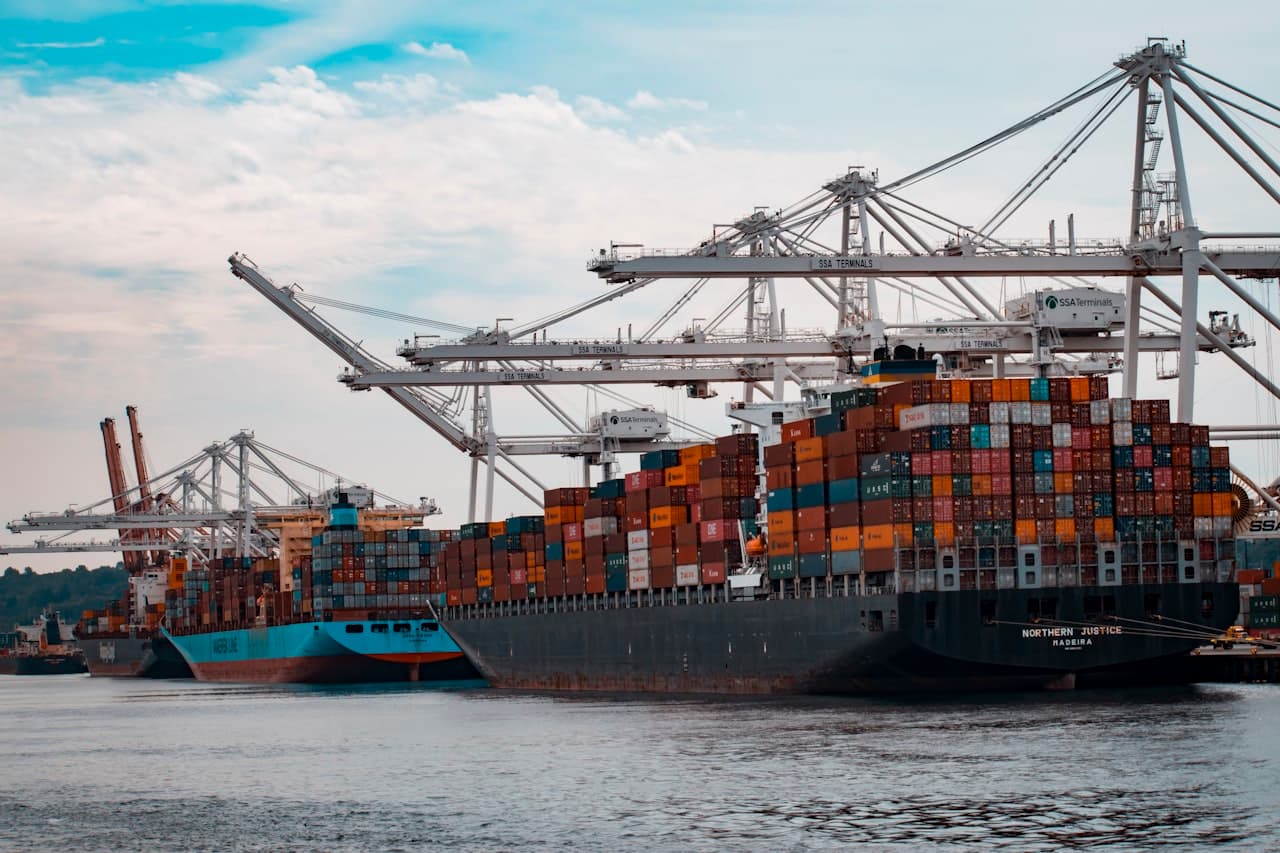
Colorful shipping containers stacked at a commercial port representing international trade and tariff policy
|11 min read

Trump Tariffs 2026: Complete List of Active Trade Policies and Economic Impact

Complete list of Trump tariffs 2026 including China tariffs, steel and aluminum duties, auto tariffs, and reciprocal trade measures with analysis of economic impact, consumer prices, and trade deficit data.

Quick Summary

Trump tariffs 2026 include a sweeping set of trade measures affecting over $900 billion in annual imports, with China facing tariffs ranging from 60 to 100 percent on most categories, universal baseline tariffs of 10 to 20 percent on imports from all countries, and sector-specific duties on steel, aluminum, automobiles, and semiconductors. Independent analyses estimate these tariffs add between $1,900 and $3,900 per year to average household costs through higher consumer prices.

Trump Tariffs 2026: The Current Landscape of U.S. Trade Policy

Trump tariffs 2026 represent the most aggressive use of executive trade authority since the Smoot-Hawley Tariff Act of 1930. Since returning to office in January 2025, the Trump administration has implemented multiple rounds of tariff actions using three primary legal authorities: Section 232 of the Trade Expansion Act of 1962 (national security), Section 301 of the Trade Act of 1974 (unfair trade practices), and the International Emergency Economic Powers Act (IEEPA) (U.S. International Trade Commission). The tariff actions fall into several distinct categories. The China-specific tariffs are the most extensive, building on the Section 301 tariffs first imposed during Trump's first term. The current effective tariff rate on Chinese imports averages approximately 65 percent across all product categories, with rates exceeding 100 percent on electric vehicles, batteries, solar panels, and semiconductors (Office of the U.S. Trade Representative). These tariffs cover virtually all imports from China, which totaled approximately $427 billion in 2024. The universal baseline tariff, sometimes called the "reciprocal tariff," applies a 10 to 20 percent duty on imports from all countries. This was implemented in stages, with an initial 10 percent baseline tariff taking effect in April 2025 and an expanded 20 percent rate phased in for countries with which the U.S. runs significant trade deficits. The baseline tariff affects approximately $3.1 trillion in annual imports and has drawn legal challenges and retaliatory measures from trading partners including the European Union, Canada, and Japan. For a detailed explanation of the legal authorities used, see our Section 232 vs. 301 tariff authority guide.

Sector-Specific Tariffs: Steel, Aluminum, Autos, and Tech

Beyond the broad China and baseline tariffs, the administration has maintained and expanded sector-specific tariff actions. Steel tariffs, originally imposed at 25 percent under Section 232 during the first Trump term, remain in effect and have been expanded to cover additional steel derivative products including nails, wire, and structural components. Aluminum tariffs stand at 10 percent with similar derivative product expansions (U.S. Department of Commerce: Section 232 Investigations). The auto tariff is among the most consequential sector-specific actions. A 25 percent tariff on imported automobiles and automotive parts took effect in phases during 2025-2026, affecting approximately $275 billion in annual imports. This tariff has significantly impacted the price of new vehicles, with industry analysts estimating average price increases of $3,000 to $12,000 per vehicle depending on the import content. The American Automobile Association tracks these price effects in its consumer cost reports (AAA: Auto Cost Reports). Semiconductor and advanced technology tariffs target imports from China specifically, with rates of 50 percent or higher on chips, chip-making equipment, and AI-related hardware. These tariffs are paired with export controls administered by the Bureau of Industry and Security at the Commerce Department that restrict the sale of advanced American semiconductor technology to Chinese entities (Bureau of Industry and Security).

Economic Impact: What the Data Shows

Independent economic analyses from multiple institutions have assessed the impact of the current tariff regime. The Tax Foundation estimates that the combined tariff actions will reduce long-run GDP by 0.5 to 0.8 percent and eliminate between 300,000 and 500,000 full-time equivalent jobs through higher input costs for domestic manufacturers and reduced consumer spending power (Tax Foundation: Tariff Impact Analysis). The Peterson Institute for International Economics places the annual cost to the average American household at approximately $2,600, though this figure varies significantly by income level, with lower-income households spending a larger share of their income on tariff-affected goods (Peterson Institute for International Economics). The Consumer Price Index data from the Bureau of Labor Statistics shows that categories heavily affected by tariffs, including appliances, electronics, clothing, and automobiles, have experienced price increases 2 to 4 percentage points above the overall inflation rate since the tariff implementations (BLS: Consumer Price Index). The trade deficit data, which tariffs are ostensibly designed to reduce, shows mixed results. The goods trade deficit with China has decreased by approximately 15 percent since the tariffs were expanded, but the overall U.S. trade deficit has remained relatively stable, as imports have shifted to other countries including Vietnam, India, Mexico, and Thailand. This trade diversion effect has been well-documented by economists and is a frequent topic of discussion on r/economics and r/investing.

Retaliatory Tariffs and International Response

Every major trading partner has responded to the U.S. tariff actions with retaliatory measures of their own. China has imposed tariffs ranging from 25 to 125 percent on U.S. agricultural products, energy exports, and manufactured goods, particularly targeting goods produced in politically sensitive U.S. states. American farmers have been particularly affected by Chinese retaliatory tariffs on soybeans, corn, and pork, with the USDA providing billions in subsidies through the Market Facilitation Program to offset losses (USDA: Market Facilitation Program). The European Union responded with retaliatory tariffs on approximately $30 billion in U.S. exports, targeting bourbon, motorcycles, agricultural products, and steel. Canada imposed matching 25 percent tariffs on U.S. steel and aluminum exports and expanded retaliation to include consumer products and agricultural goods. Japan, traditionally a close trade ally, imposed its first retaliatory tariffs on U.S. goods in decades, targeting agricultural exports and industrial equipment. Multiple World Trade Organization complaints have been filed by affected countries, though the WTO dispute resolution mechanism has been effectively paralyzed since the U.S. blocked the appointment of appellate body members during the first Trump term (World Trade Organization: Dispute Settlement). This means there is no functioning international arbitration process for resolving tariff disputes, leaving bilateral negotiations as the primary mechanism for trade conflict resolution.

What Reddit Communities Are Saying About Trump Tariffs

Reddit has become a major forum for tariff impact discussion, with threads spanning economics, personal finance, and political analysis. The r/economics community regularly analyzes new tariff announcements using academic frameworks, with several economists posting detailed breakdowns of effective tariff rates and deadweight loss calculations. Highly upvoted threads have featured analyses showing that tariffs function as a regressive consumption tax, with lower-income households bearing a disproportionate burden. On r/personalfinance, users have documented specific price increases in their monthly budgets attributable to tariffs, with common examples including washing machines, smartphones, and clothing. The r/investing community tracks the impact of tariff announcements on sector-specific stocks, with materials companies, retailers, and logistics firms experiencing the most volatility around trade policy news. On r/politics, the debate centers on whether the tariffs are achieving their stated objectives of bringing manufacturing back to the United States. Users frequently cite the Census Bureau's trade data and the Bureau of Labor Statistics employment reports to support or challenge claims about the tariffs' effectiveness. The r/manufacturing community provides firsthand accounts from factory owners and supply chain managers who are navigating the tariff landscape, offering a ground-level perspective that complements macro-level economic analysis (r/economics: tariff impact threads).
Trump tariffs 2026Trump tariffs listTrump China tariffsTrump trade war 2026Trump tariff impactreciprocal tariffs TrumpTrump steel tariffsTrump auto tariffs
LT

LocateTrump Research Team

An independent team of developers, data analysts, and researchers tracking presidential location and activity using publicly available information from 10+ major news sources. Operating continuously since January 20, 2025. All content follows our editorial standards for source verification and accuracy.

Related Articles
Further Reading

Need deeper document-level context? Continue with carefully sourced long-form coverage.

Research Pathways for This Topic

Use these targeted internal paths to move from this article into related hubs, timelines, and data-backed tracking pages.

Explore LocateTrump

See presidential location data in action with our live tools.