Skip to content
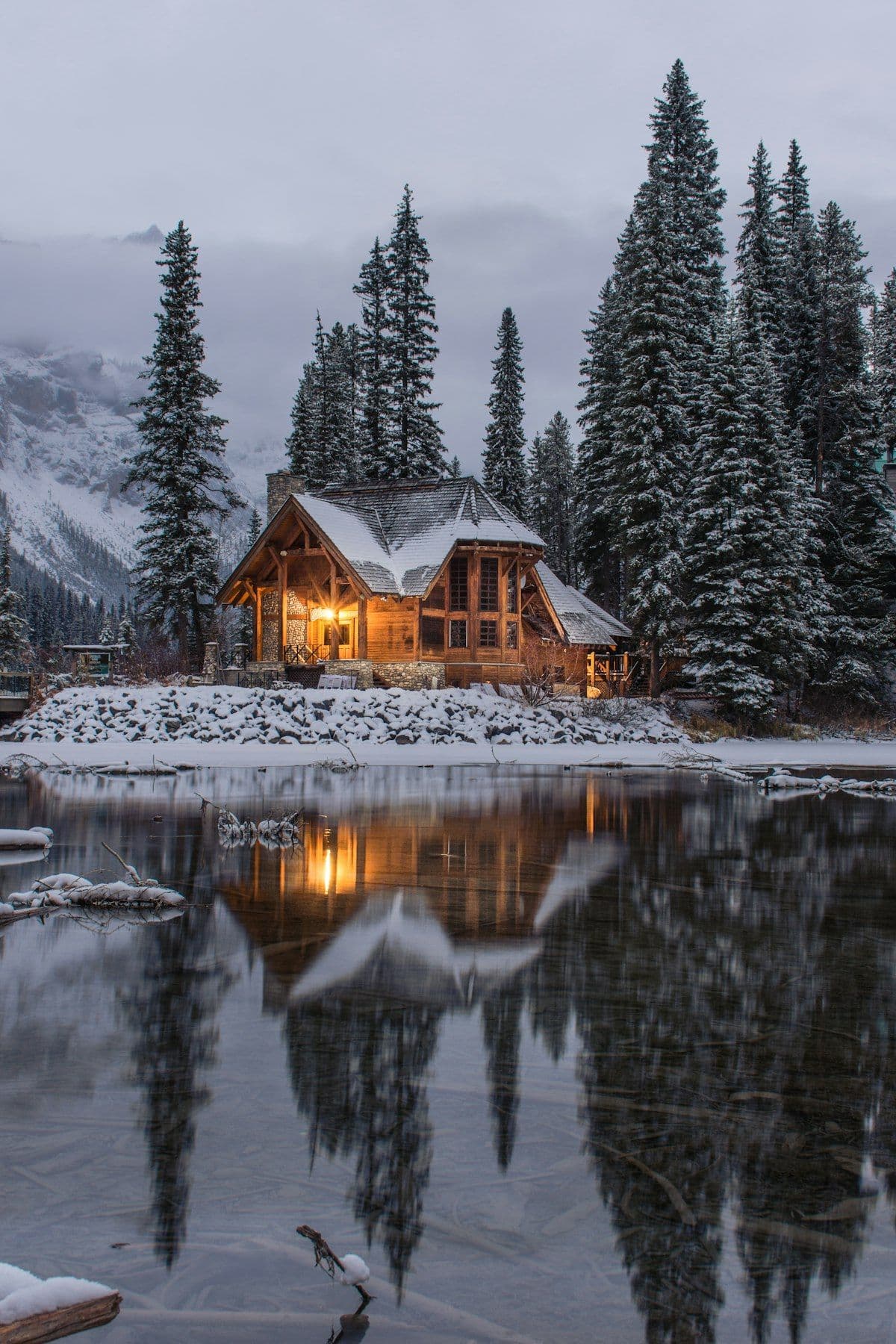
Secluded mountain cabin retreat surrounded by forest
|8 min read

Camp David: The Presidential Retreat Trump Rarely Uses

The history of Camp David, why Trump prefers his own properties, and how our tracker monitors visits to this iconic Maryland retreat.

Introduction

For over eight decades, Camp David has served as the official presidential retreat, a secluded getaway in the Maryland mountains where presidents have sought refuge from the pressures of Washington, hosted foreign leaders for historic negotiations, and made decisions that shaped the course of history. Yet under Donald Trump, this storied retreat has seen far fewer presidential visits than under most of his predecessors. The story of Camp David during the Trump presidency is as much about where the president does not go as where he does, and it illuminates the broader shift in presidential travel patterns that our tracking system at LocateTrump.com captures in real time.

The History of Camp David

Camp David's origins date to 1935, when the Works Progress Administration built a camp for federal government agents in the Catoctin Mountains of Maryland, about 62 miles northwest of Washington, D.C. President Franklin D. Roosevelt converted the facility into a presidential retreat in 1942, initially naming it "Shangri-La" after the fictional paradise in James Hilton's novel "Lost Horizon." Roosevelt sought a cool mountain retreat accessible by car from Washington, as wartime security concerns made ocean travel to his preferred yacht impractical. President Dwight D. Eisenhower renamed the retreat "Camp David" in 1953, honoring his grandson David Eisenhower. Since then, every president has used the facility, though the frequency and manner of use has varied enormously. The camp covers approximately 125 acres within Catoctin Mountain Park and sits at an elevation of about 1,800 feet, providing a noticeably cooler climate than the Washington basin during summer months.

Historic Moments at Camp David

Camp David's most famous moment came in September 1978, when President Jimmy Carter hosted Egyptian President Anwar Sadat and Israeli Prime Minister Menachem Begin for 13 days of negotiations that produced the Camp David Accords, the framework for the Egypt-Israel peace treaty signed the following year. This diplomatic achievement demonstrated the power of the retreat's secluded, informal setting for facilitating difficult negotiations away from the glare of the media and the pressures of capital city politics. Other significant Camp David moments include President Eisenhower's meetings with Soviet Premier Nikita Khrushchev in 1959, President Kennedy's use of the retreat during the Cuban Missile Crisis deliberations, and President George W. Bush's war cabinet meetings at Camp David following the September 11, 2001, attacks. These events established Camp David as a place where presidents go to think, negotiate, and make the most consequential decisions of their tenure.

Camp David Facilities and Setting

The Camp David compound includes multiple lodges and cabins spread across its 125 acres of wooded mountainside. The main presidential lodge, called "Aspen Lodge," serves as the president's personal quarters and includes a living room, dining room, bedrooms, and a study. Additional lodges named after trees, such as Birch, Dogwood, Holly, Laurel, Maple, and Rosebud, provide guest accommodations for staff, cabinet members, and visiting dignitaries. The retreat features recreational facilities including a swimming pool, tennis courts, a bowling alley, a movie theater, a chapel, and nature trails through the surrounding forest. A helicopter landing zone allows Marine One access, which is the primary means of presidential transportation to and from the camp. The facility is maintained by the Navy and Marine Corps, with Seabees providing maintenance and Marines providing security. The setting is deliberately rustic compared to the formality of the White House or the luxury of private estates.

Trump and Camp David: A Limited Relationship

Donald Trump has publicly described Camp David as "very rustic, it's nice, you'd like it" while making clear his preference for his own properties. During his first term, Trump visited Camp David significantly less frequently than most of his recent predecessors. While President Obama made approximately 39 visits to Camp David over his eight years in office, and President George W. Bush visited roughly 149 times during his two terms, Trump's visit count has been notably lower. The reasons are straightforward: Trump owns luxury properties specifically designed to his personal tastes, equipped with golf courses, and located in climates he prefers. Why retreat to a government-owned cabin in the Maryland mountains when you can helicopter to your own estate in Palm Beach or your golf club in New Jersey? This preference has reshaped the geography of the modern presidency, shifting weekend presidential activity from a single government retreat to a rotation among private properties.

Why Trump Prefers His Own Properties

Several factors explain Trump's preference for his personal properties over Camp David. First, comfort and familiarity: Mar-a-Lago and Bedminster are properties Trump has owned for decades, decorated and maintained according to his personal standards. The rustic aesthetic of Camp David, while charming, is a stark contrast to the gilded luxury of Mar-a-Lago's 126 rooms. Second, golf access: Camp David does not have a golf course, and golf is central to Trump's recreational routine. Both Mar-a-Lago and Bedminster offer immediate access to championship courses. Third, social environment: Camp David is an isolated retreat by design, while Mar-a-Lago functions as a social club where Trump can interact with members, host events, and maintain a social calendar alongside presidential duties. Fourth, business visibility: visits to Trump-branded properties keep the brand in the public eye, a consideration that critics have raised as a potential conflict of interest but that undeniably affects the travel calculus.

Tracking Camp David and Other Retreats

Camp David is included in our database of over 70 known presidential locations, and our tracking system monitors news sources for any reports of presidential visits to the retreat. When the president does visit Camp David, it generates distinctive press coverage, with pool reports noting the Marine One departure from the White House South Lawn and the relatively short flight to the Catoctin Mountains. These reports are picked up by our RSS monitoring system and processed through our scoring algorithm just like any other location event. Because Camp David visits are relatively rare under Trump, each one tends to generate above-average news coverage, which actually makes them easier for our system to detect. You can check whether Trump has visited Camp David recently by browsing our location history, or see how Camp David compares to other presidential retreats in frequency by exploring our travel statistics dashboard.
Camp DavidCamp David Trumppresidential retreatCamp David historyCamp David locationCamp David Marylanddoes Trump use Camp DavidCamp David Accords
LT

LocateTrump Research Team

An independent team of developers, data analysts, and researchers tracking presidential location and activity using publicly available information from 10+ major news sources. Operating continuously since January 20, 2025. All content follows our editorial standards for source verification and accuracy.

Related Articles

Research Pathways for This Topic

Use these targeted internal paths to move from this article into related hubs, timelines, and data-backed tracking pages.

Explore LocateTrump

See presidential location data in action with our live tools.